4 Rap Duos: Learn the Exchange Through Their Tracks
Start with OutKast, Mobb Deep, UGK and Run The Jewels, using specific tracks to listen for leads, responses and handoffs.
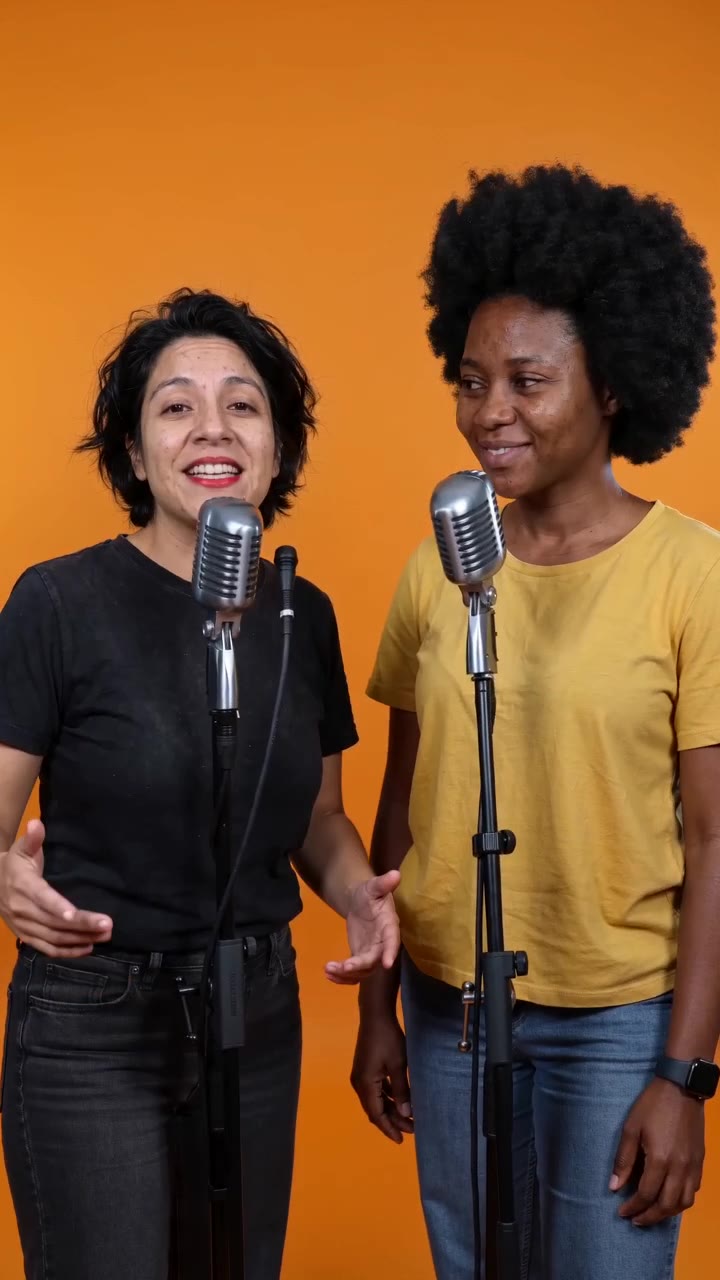
Start with a track, not a ranking
This is an introductory listening list, not an objective “greatest ever” ranking. Each entry gives a recording to find and a question to listen for. The goal is to describe how two performers work together, rather than memorize names.
OutKast: ATLiens
OutKast pairs André 3000 and Big Boi. Start with “ATLiens”; the official album listing also provides the surrounding tracklist. Official album page
Listen for: can you recognize the change of performer without looking at a credit? Notice voice, phrase length, pauses and emphasis. On a second pass, mark the handoffs rather than trying to imitate an accent.
Mobb Deep: Shook Ones, Pt. II
Havoc and Prodigy form Mobb Deep. “Shook Ones, Pt. II” is a specific entry point, with member and catalogue information available in the artist profile. Artist and track information
Listen for: do both performers need to speak simultaneously for the track to feel like a duo? Focus on separate passages and transitions. For a two-person video, consider what a listener’s quiet reaction can contribute.
UGK: Int’l Players Anthem
UGK consists of Bun B and Pimp C. “Int’l Players Anthem (I Choose You)” also features OutKast, so it provides more than two voices to distinguish. UGK artist information
Listen for: how does a new voice change your sense of forward movement? Read the artist credits first so guest performers are not confused with group members, then mark each entrance.
Run The Jewels: Blockbuster Night, Pt. 1
Killer Mike and El-P form Run The Jewels. “Blockbuster Night, Pt. 1” appears on Run the Jewels 2, whose official release page includes the tracklist. Official release
Listen for: how much space separates the end of one line from the next entrance? Think about how a change of voice keeps a shared beat moving, and where you might place a reaction shot.
Try three listening passes
- Overall feeling: write three words describing your response before reading rankings or comments.
- Division of roles: mark A, B and any guest, noting entrances and responses.
- Visual interpretation: choose a ten-second passage and imagine when to show the lead and when to show the listener. You do not need to extract or publish the recording.
This produces your own observations instead of repeating broad descriptions of a duo’s personalities.
Apply the exchange to your own clip
Choose one shared experience. Give A an opening line, B a response and both a closing moment. The original friendly battle examples offer practice material. Two people in the same frame are a starting point; listening and responding create the exchange.
Choose a related video effect
AI Duo Rap Video
Native-audio performance · photo to video
Keep exploring
Choose an AI Music Video Tool: Song to Final Edit
Compare the roles of Suno, Runway, CapCut and Glinno, then plan a 30-second music video around the inputs you already have.
Creative guides
Choose an AI Rap Tool: Song First or Video First?
Compare Suno’s song workflow with Glinno’s photo performance, then prepare your own brief and lyrics.
Creative guides
Funny Rap Lyrics: Four Original Verses to Adapt
Turn lateness, low batteries, late-night food and gym gear into short verses using a setup, reversal and read-aloud edit.
Creative guides